Xanthos and Letoon are best visited together. Xanthos was one of ancient Lycia’s major political centres, while nearby Letoon was its important religious sanctuary. Together they reveal far more about Lycian history than either site does alone.
Why visit Xanthos and Letoon
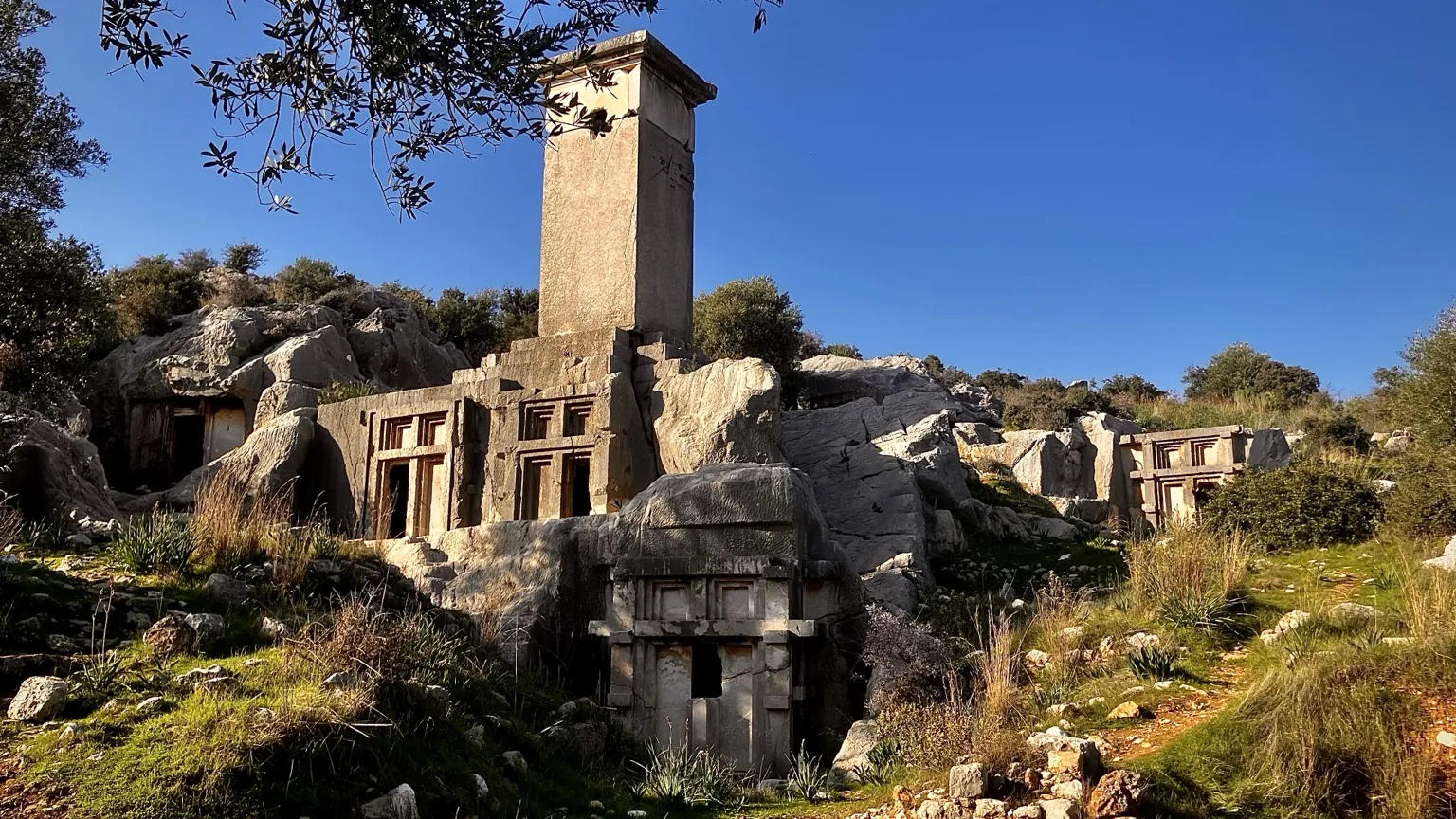
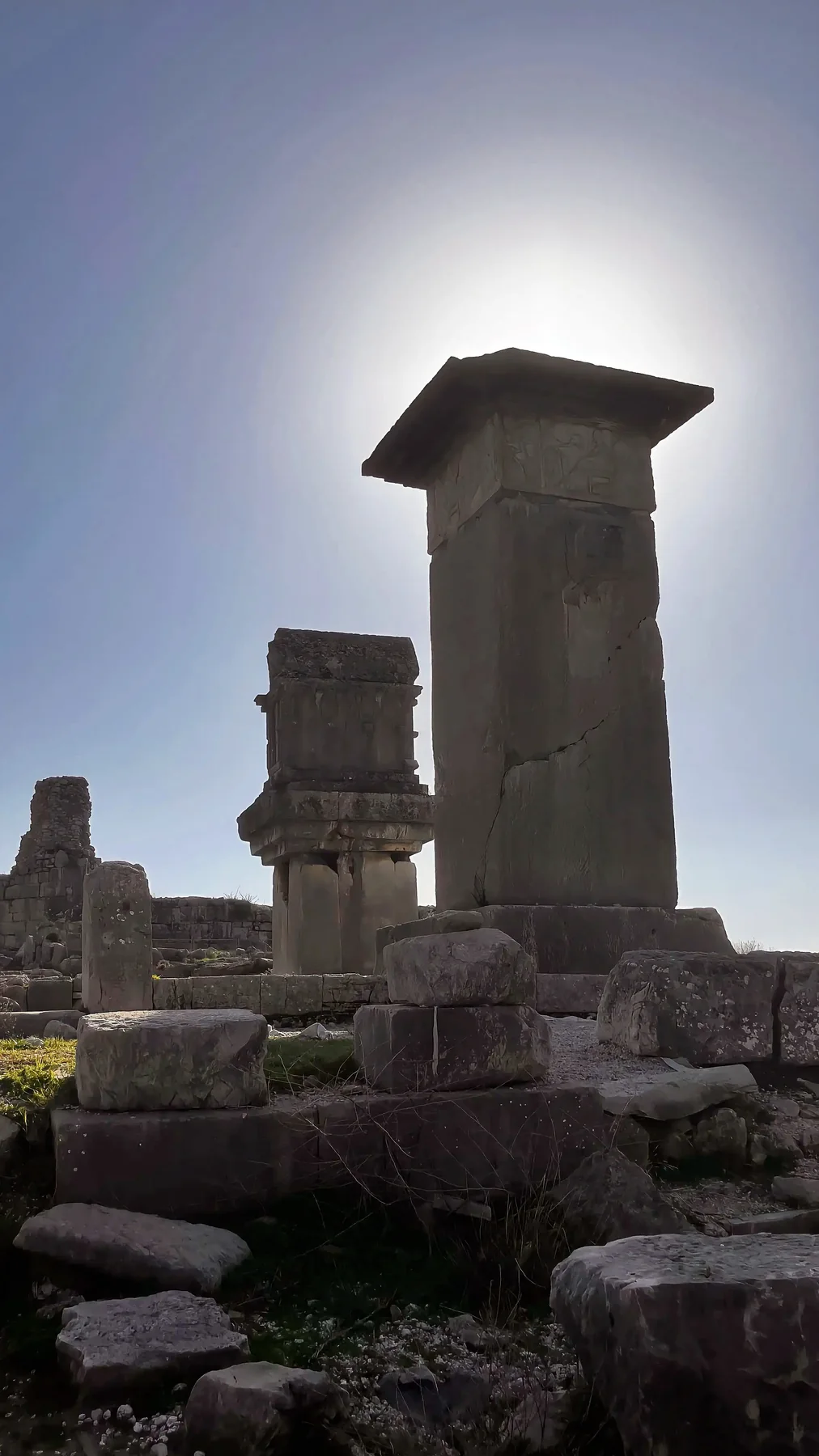
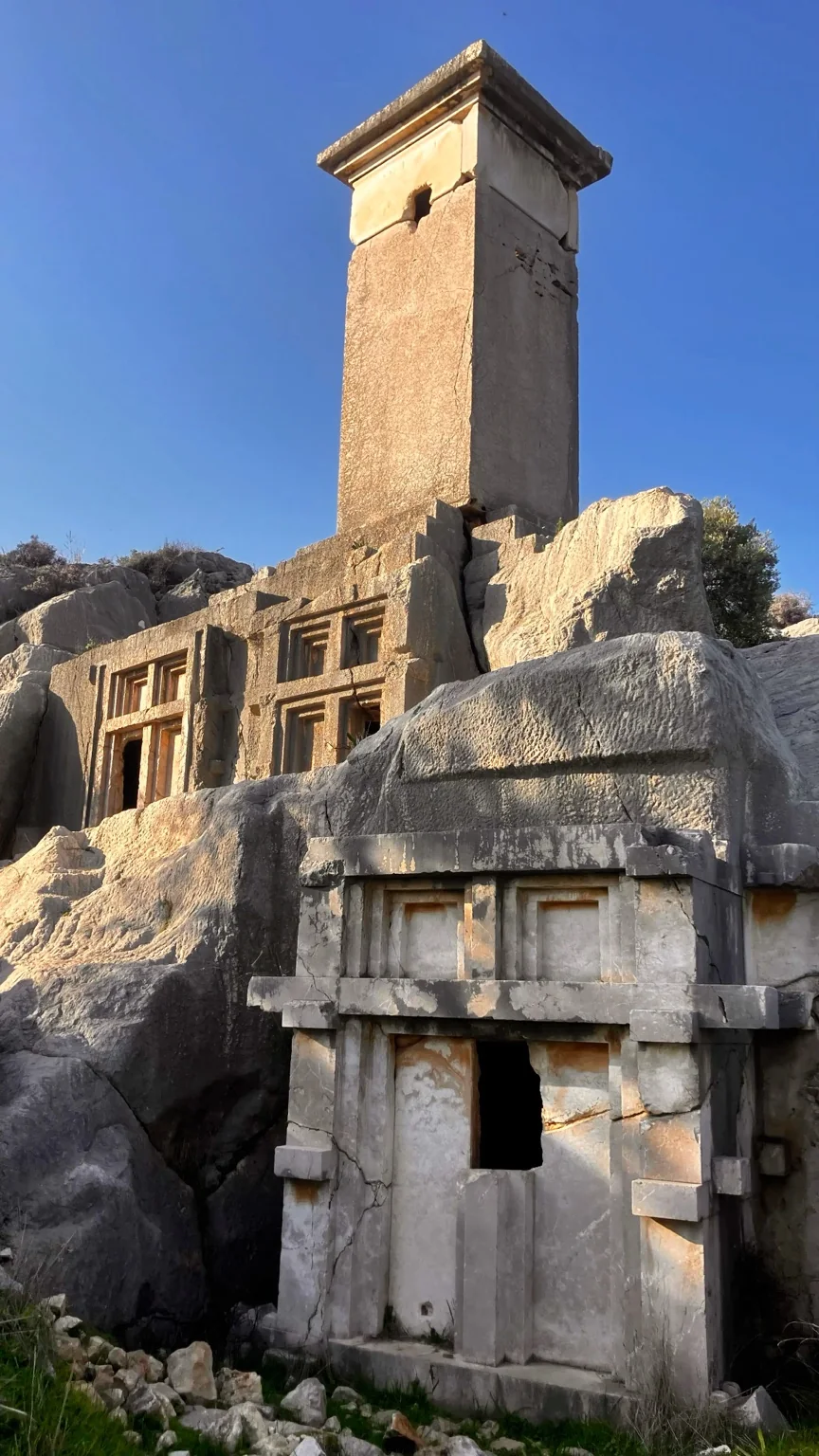
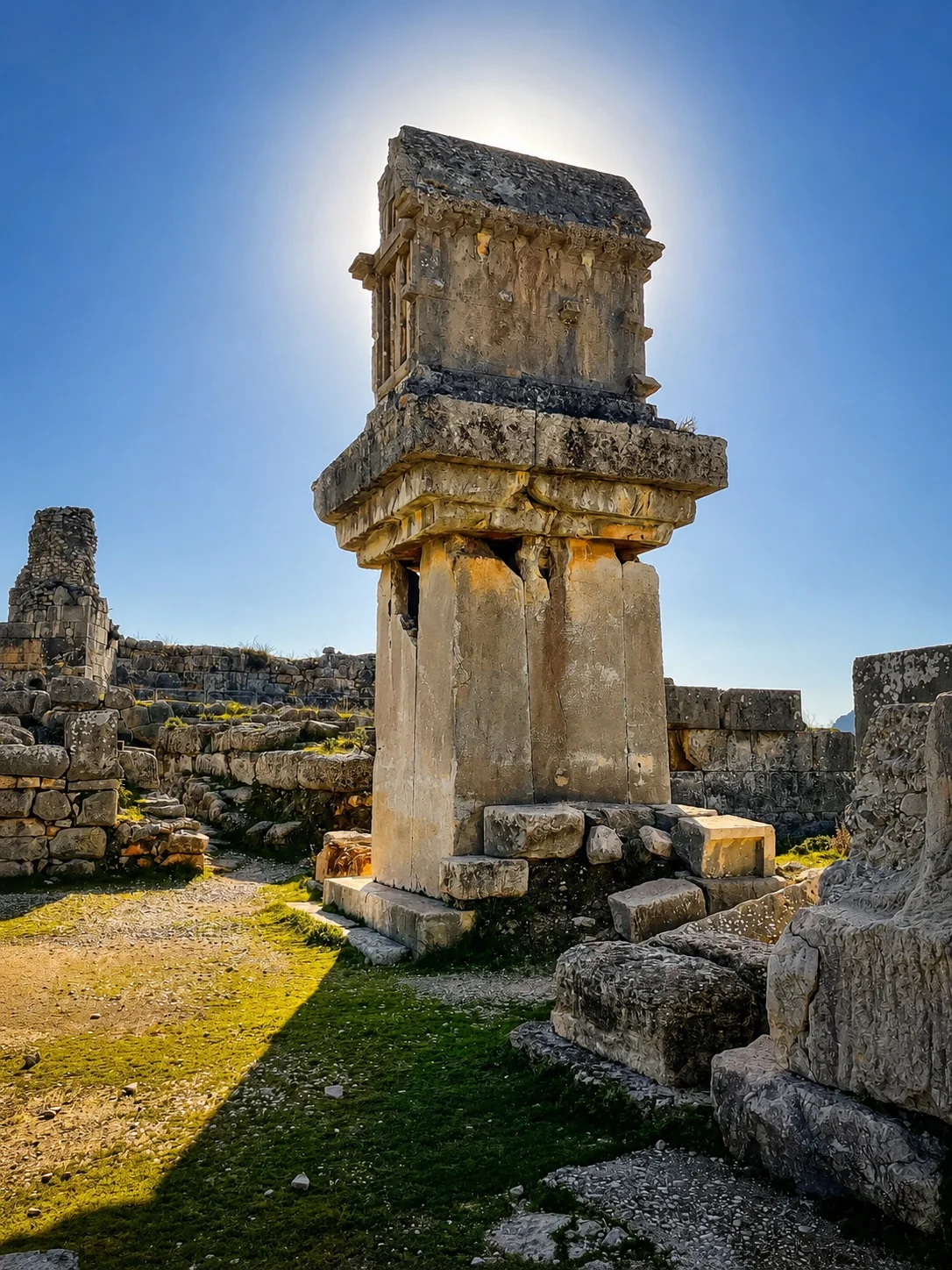
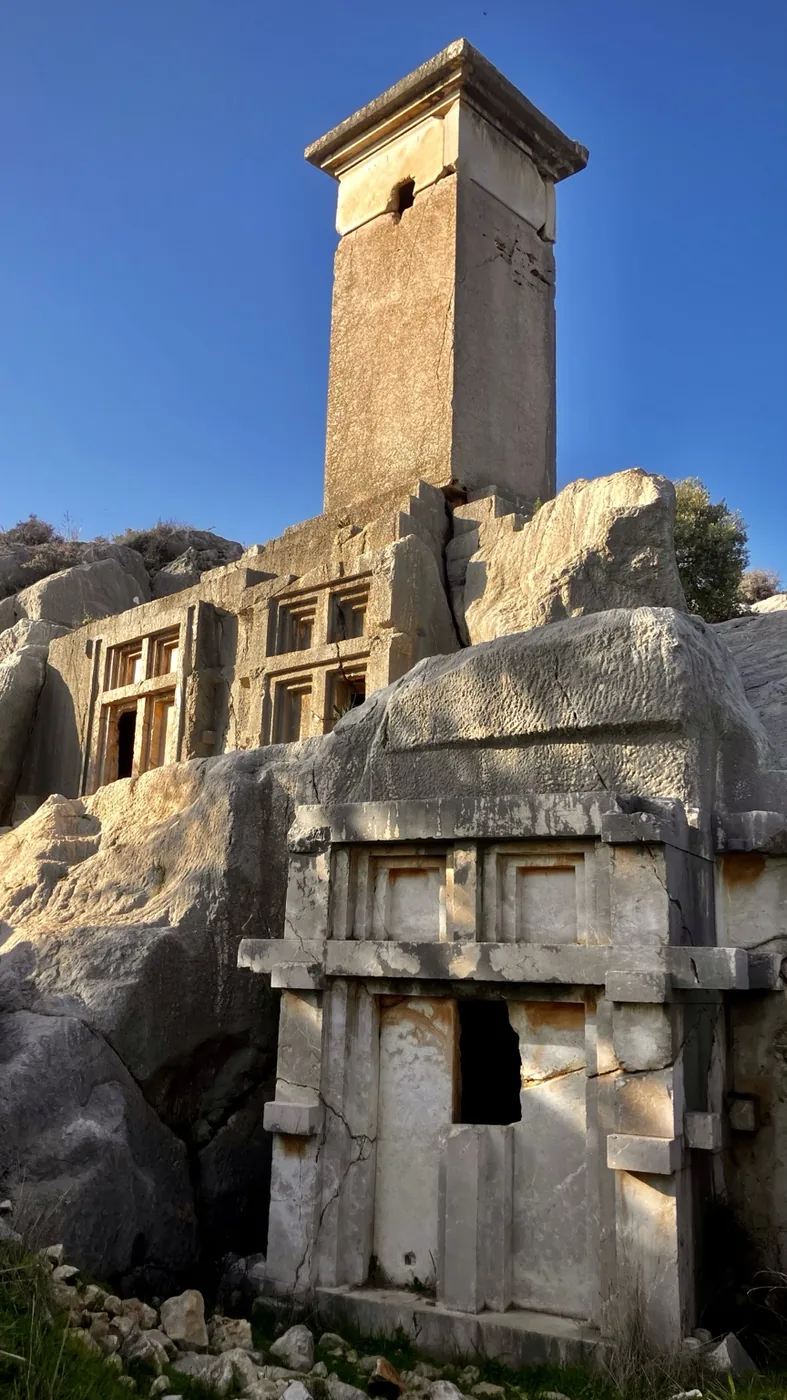
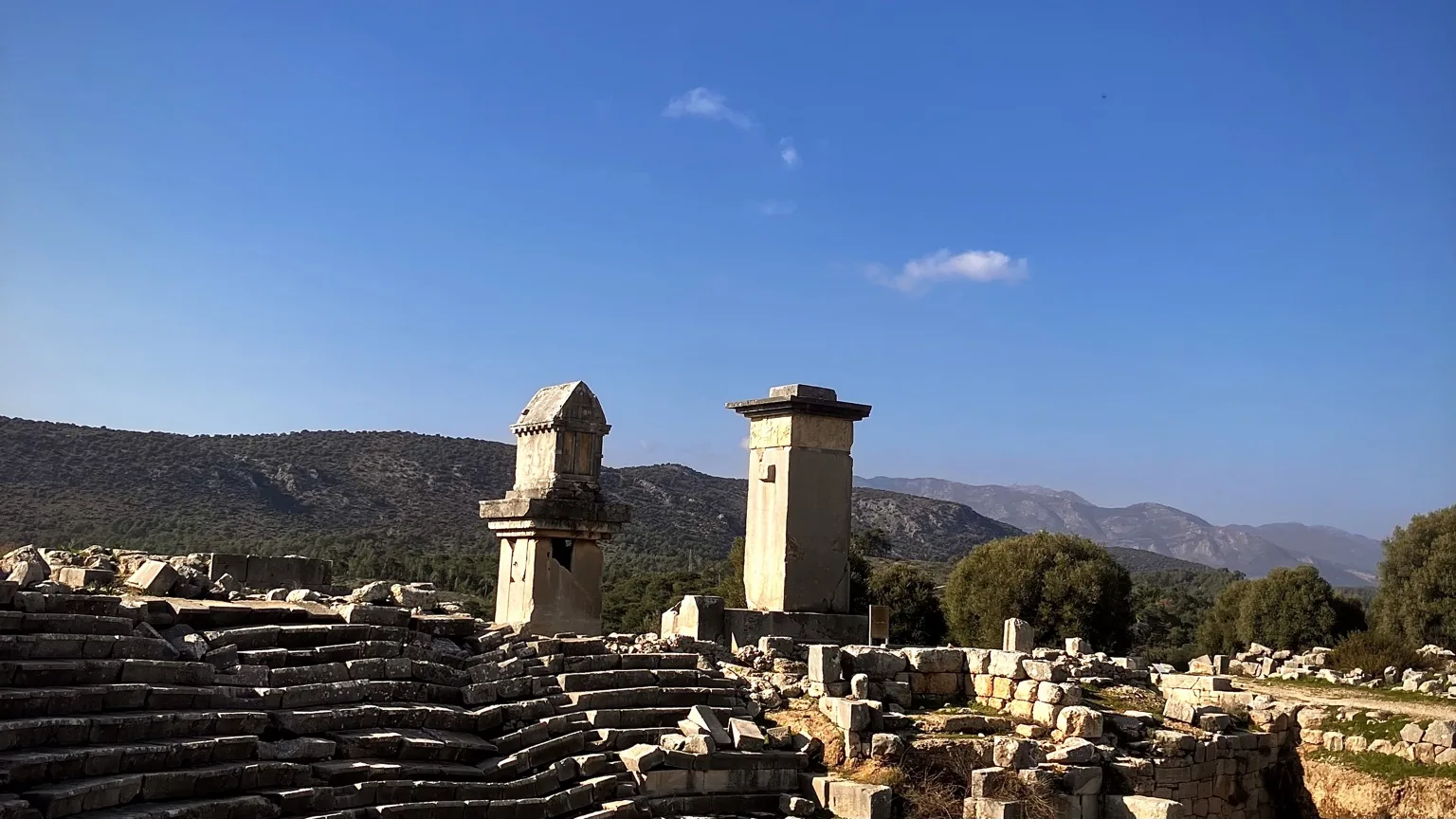
At Xanthos, the landscape is shaped by monumental tombs, inscriptions, a theatre and layers of occupation from Lycian through Roman and Byzantine periods. Letoon is quieter and more compact, centred on the sanctuary associated with Leto, Apollo and Artemis.
The two archaeological sites are close enough to combine comfortably in the same outing, and they fit naturally into a day that also includes Patara or the western Lycian Coast.
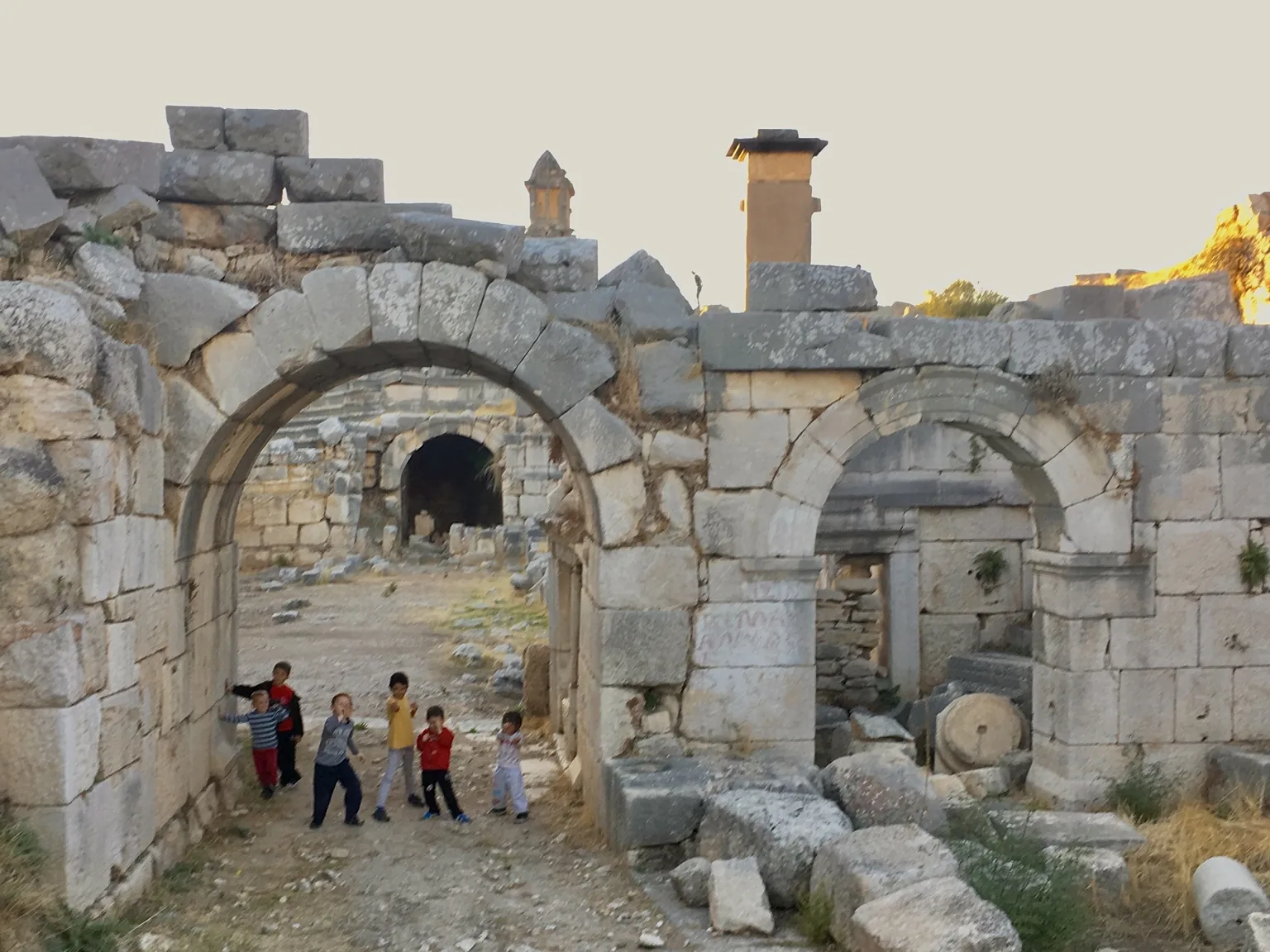
Xanthos in pictures
Planning your visit
Allow enough time to walk Xanthos rather than treating it as a quick roadside stop, then continue to Letoon for the sanctuary. Summer visits are more comfortable early or later in the day because shade is limited.
Continue exploring
The Lycian Coast · Patara · Kaş travel guide · Road trips from Kaş